Last updated September 24, 2026
New windows and doors improve comfort, cut energy bills and add long-term value to your home. Sightline Windows & Doors Pembroke Pines pairs proven product lines with our own installing crews for lasting performance - and a price we put in writing.
1. Choose your installer
The unit is half the job - the install is the other half. Our own background-checked crews measure, set, seal and insulate every opening, and they know the lines we quote inside and out because they install them every week.
2. Select the right products
Compare styles, materials and glass packages side by side until the fit is right for your rooms, your budget and your goals. The product-line comparison below is the place to start.
3. Prepare your home for install
Before install day we walk you through a short checklist - furniture pulled back, treatments down, a clear path to each opening - so install day is watch-it-happen, not scramble.
Compare the Lines We Quote
Every project is priced on the same lines, side by side - the price indicators below are relative, and your consultant shows exact numbers on your actual openings.
PGTThe line Florida homeowners arrive naming - the most Miami-Dade certifications in the industry$$$
- More Miami-Dade NOA certifications than any other line we quote
- WinGuard, EnergyVue and ClassicVue Max systems built for every wind zone
- 99% on-time delivery keeps your install date on the calendar
CGIThe heavyweight impact line$$$$$
- Large-missile impact ratings for the strictest wind zones
- Architectural-grade aluminum with commercial-depth frames
- The line we quote when protection is the whole point
CWSThe Florida value pick$$
- Vinyl systems built in Florida for Florida codes
- Strong energy packages at the friendliest price point
- The smart start for whole-home replacements on a budget
ESWSlim lines, big glass$$$$
- Narrow-sightline aluminum for modern elevations
- Oversized openings and floor-to-ceiling glass
- Impact-rated without the bunker look
ECOThe aluminum impact workhorse$$$
- Miami-built aluminum impact systems
- A strong price-to-protection ratio for coastal homes
- Proven inventory lines with short lead times
Windows & Doors Warning Signs: A Pembroke Pines Homeowner’s Reference Guide
Fogging between panes is the warning sign every homeowner recognizes. In Pembroke Pines, the more expensive failure often hides behind the drywall: frame-to-rough-opening separation, caused by South Florida’s clay-gumbo soil cycling through wet and dry seasons, lets water migrate into wall cavities for months before any visible symptom appears. By then, you’re not replacing a window; you’re repairing framing, replacing insulation, and remediating mold. This guide maps each visible symptom to its underlying mechanical or material cause so you can distinguish a $90 hardware adjustment from a $4,000 full-frame replacement before a contractor ever knocks on your door. For more detail, see The Complete Guide to Windows & Doors in Pembroke Pines.
Quick Answer
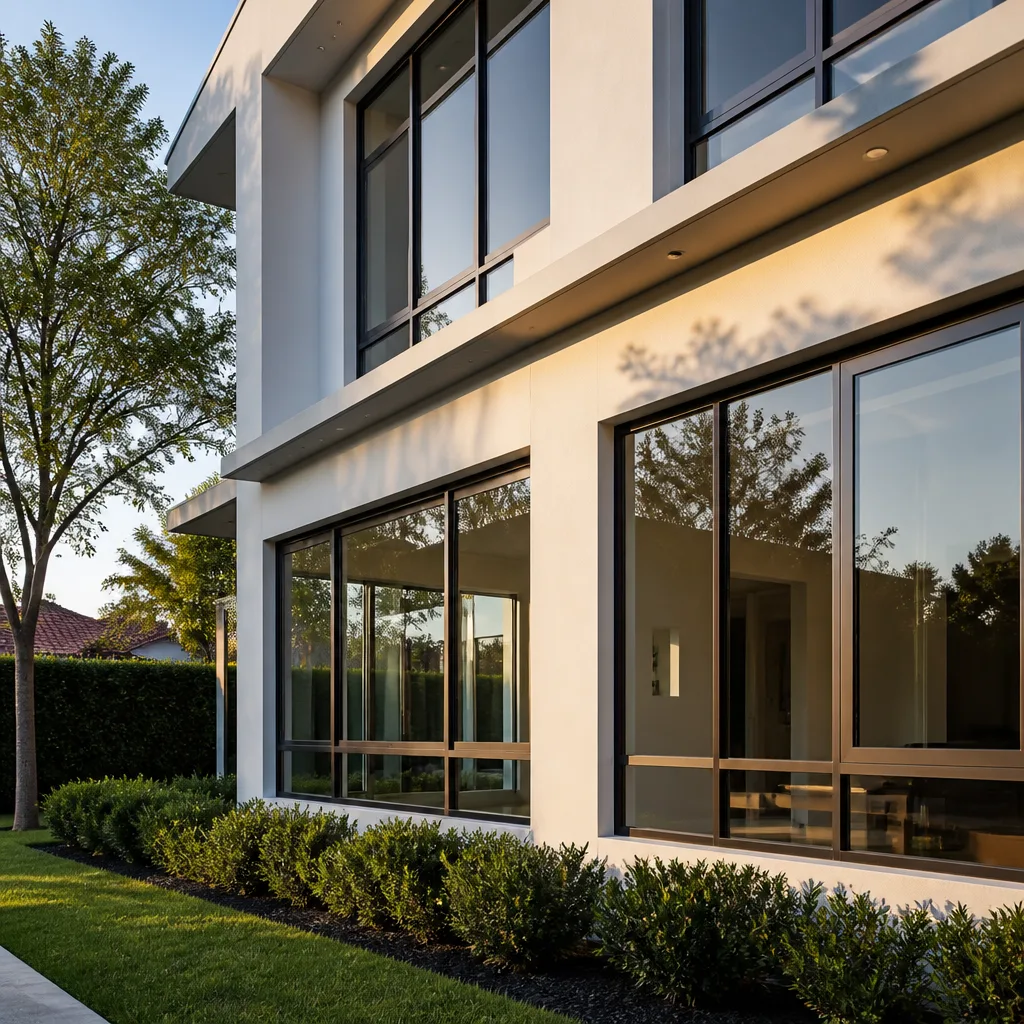
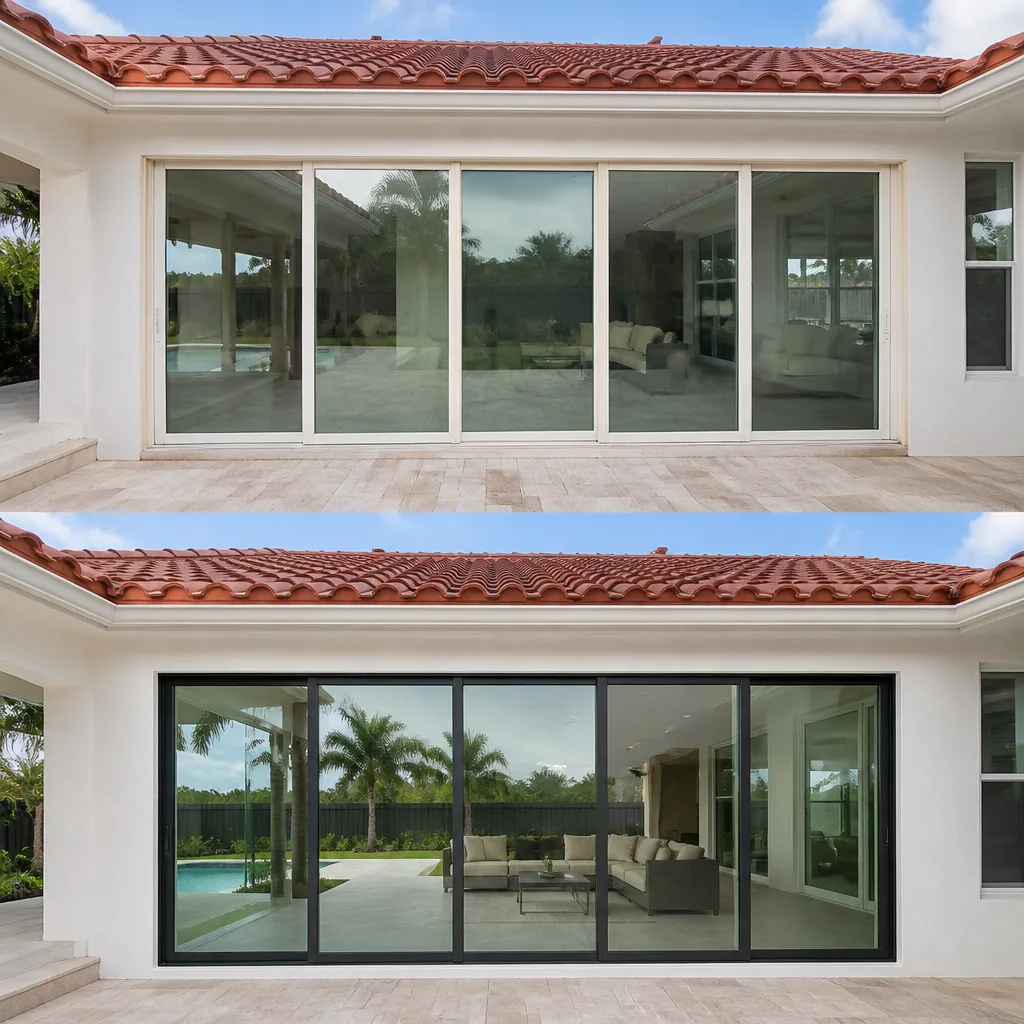
The most serious window and door failures in Pembroke Pines homes show three categories of warning signs: glass seal degradation (fogging between panes, interior condensation), frame and hardware failure (sticking, daylight at edges, corrosion), and rough-opening movement (water stains with no obvious source, frame separation from wall). The repair cost ranges from $90 for multipoint lock realignment to $4,000+ for full-frame replacement with structural remediation, depending on which system has failed.
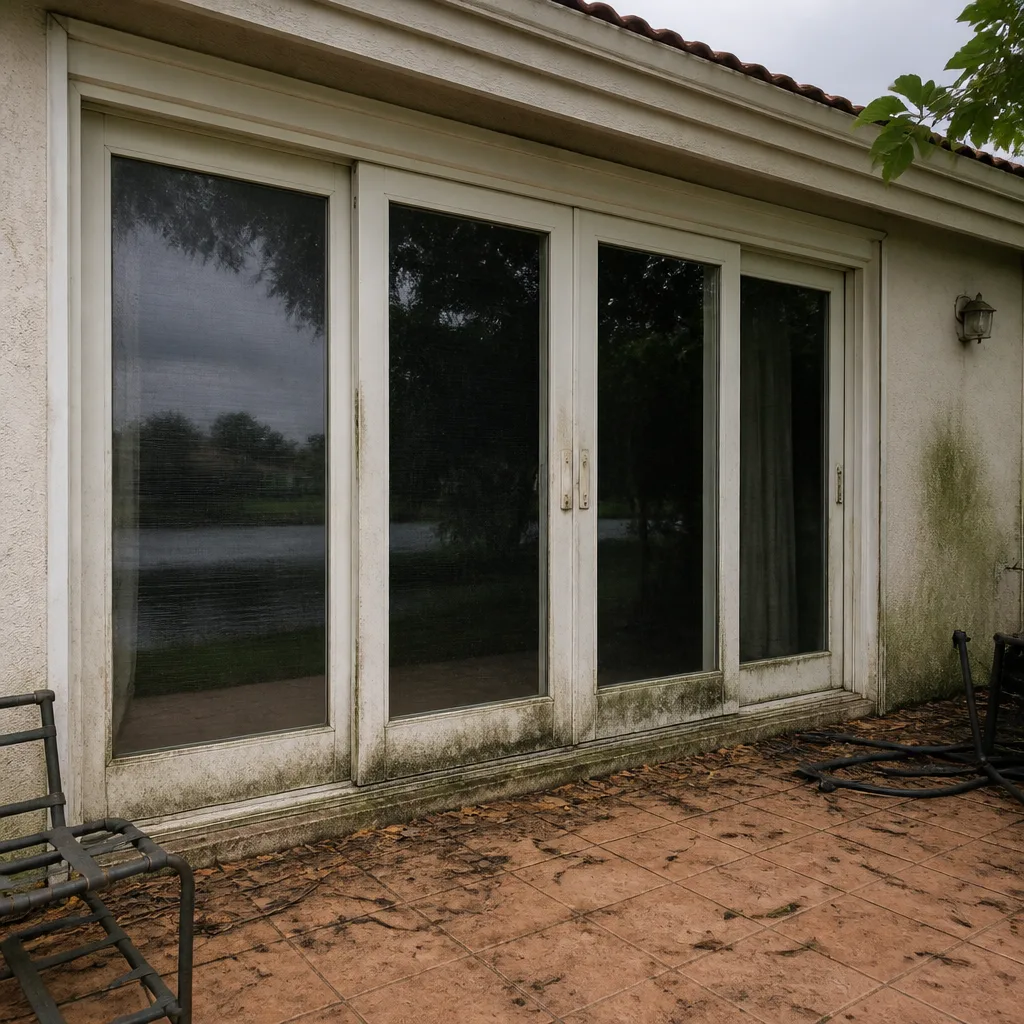 Before
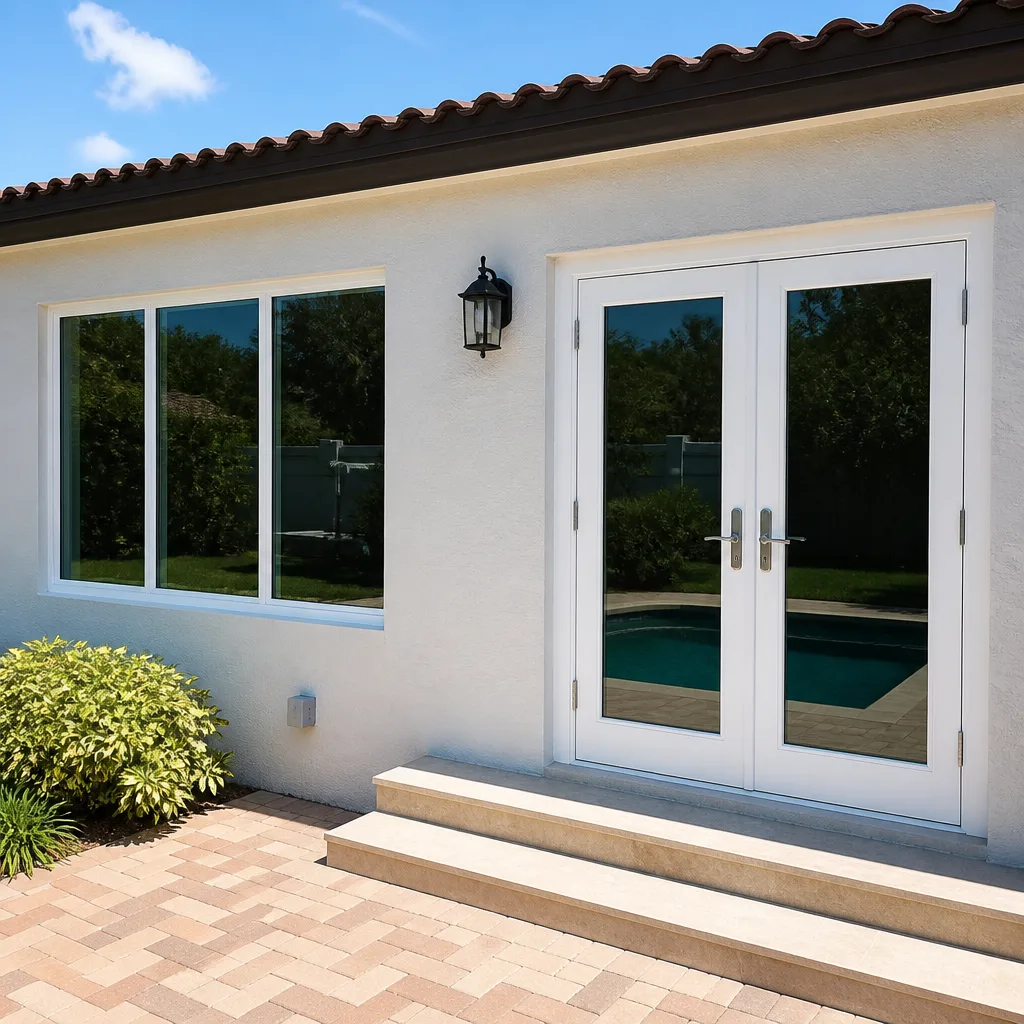 After
AfterTable of Contents
- Glass Seal Failures: Fogging, Condensation, and What They Actually Mean
- Frame Seal Failures vs. Structural Rough-Opening Movement
- Aluminum Frame Warning Signs in Pre-2002 South Florida Homes
- Impact Door Multipoint Lock Misalignment: The Hidden Safety Issue
- Water Stains on Interior Sills: Three Entry Points, One Symptom
- Symptom-to-Cause Reference Table
- When to Repair vs. Replace: Cost Ranges in the Pembroke Pines Market
- Common Mistakes to Avoid
- When to Call a Professional
- Frequently Asked Questions
- The Bottom Line
Glass Seal Failures: Fogging, Condensation, and What They Actually Mean
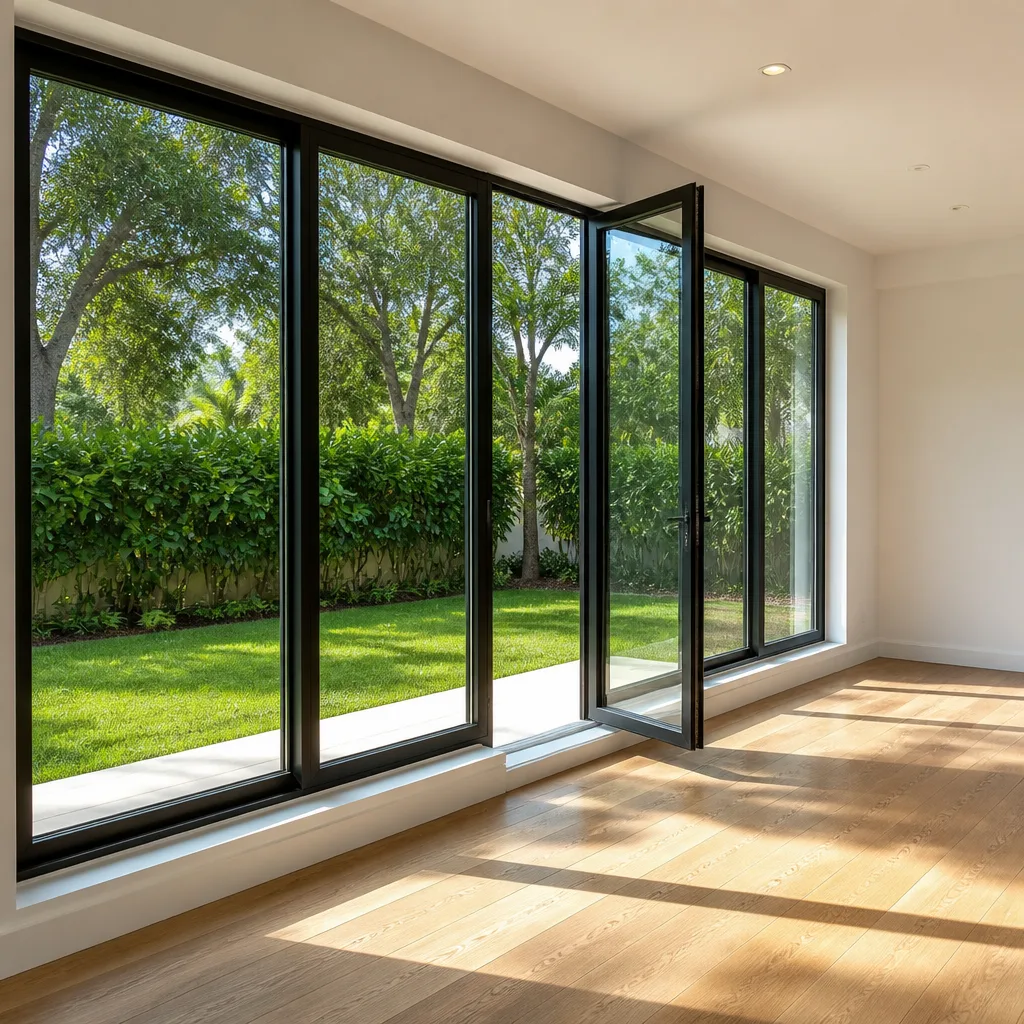
Fogging between panes of insulated glass means the edge seal has failed and moist air has entered the airspace. This is the most commonly cited window warning sign, and it is also the most straightforward to diagnose. The desiccant inside the spacer bar has reached saturation, and the thermal performance of that unit has dropped to roughly that of a single pane.
What homeowners in Pembroke Pines need to understand: fogging does not indicate frame failure, rough-opening movement, or water intrusion into the wall. It indicates glass unit failure only. The repair is glass replacement, not frame replacement. For a standard double-hung or picture window, expect $280-$520 for the insulated glass unit (IGU) plus installation labor in the Broward County market.
Interior condensation on the room-facing surface of the glass is a different failure entirely. This signals high indoor humidity meeting a cold glass surface, often because the window’s U-factor has degraded or the home’s humidity control is inadequate. In Pembroke Pines, where summer dew points regularly exceed 75°F, this is common in homes with oversized HVAC systems that short-cycle before dehumidifying. The window may not be the problem; the mechanical system might be.
Condensation between the interior surface and the exterior surface, but not fogging, suggests a partial seal failure where the argon or krypton fill has leaked but the desiccant has not yet saturated. Performance has degraded, but the visual symptom has not appeared. We document this with a thermal imaging camera during our measured surveys; the temperature differential at the glass edge reveals the gas loss before fogging becomes visible.
Key distinction for Pembroke Pines homeowners: if you see fogging, you need glass replacement. If you see interior condensation, you need to verify whether the issue is the window’s thermal performance or the home’s humidity load. Replacing the window will not solve an HVAC sizing problem.
Frame Seal Failures vs. Structural Rough-Opening Movement
This distinction determines whether your repair is $200 or $4,000. Frame seal failure means the window or door unit itself is intact, but the sealant between the frame and the rough opening has degraded. Rough-opening movement means the structural framing has shifted, and the window unit is no longer properly supported.
Frame seal failure produces daylight visible between the frame edge and the interior trim. Water intrusion follows wind-driven rain, so the symptom is intermittent and often correlates with storm direction. The repair is removal of interior trim, removal of degraded sealant, backer rod and sealant replacement, and trim reinstallation. In Pembroke Pines, with labor rates for qualified window technicians running $85-$120 per hour, this typically totals $180-$350 per opening.
Rough-opening movement produces different symptoms. The frame pulls away from the wall unevenly; you may see caulk separation that recurs within months of reapplication, or the window operation becomes progressively stiffer as the frame twists. In severe cases, the sash no longer seats squarely in the frame, and the locking hardware misaligns.
South Florida’s soil conditions make rough-opening movement more common here than in most U.S. markets. The clay-gumbo soils in western Broward County, including the Chapel Trail and Silver Lakes areas of Pembroke Pines, expand when wet and contract during dry periods. Homes built during the 2004-2007 construction surge, when rapid site turnover sometimes compromised foundation preparation, show this pattern more frequently. We’ve measured frame racking of 3/8 inch or more in homes less than 20 years old.
The repair for rough-opening movement is not sealant. It requires removal of the window unit, shimming and reframing the rough opening, installation of a properly sized replacement unit, and full perimeter sealing. For a standard residential window, this runs $1,800-$3,200 in the Pembroke Pines market. If water intrusion has damaged wall sheathing or framing, costs extend to $4,000-$7,500 depending on the extent of structural repair.
How to tell the difference before calling a contractor:
- Inspect the gap pattern. Frame seal failure shows relatively even gaps; rough-opening movement shows tapered or diagonal gaps, often wider at one corner.
- Operate the window. Frame seal failure rarely affects operation; rough-opening movement causes progressive sticking or sash misalignment.
- Check for interior drywall stress. Rough-opening movement often produces corner cracks in the drywall near the window, extending diagonally from the frame corner.
- Review the home’s age and construction timing. Homes built 2004-2007 in western Pembroke Pines have higher incidence of foundation-related frame stress.
Aluminum Frame Warning Signs in Pre-2002 South Florida Homes
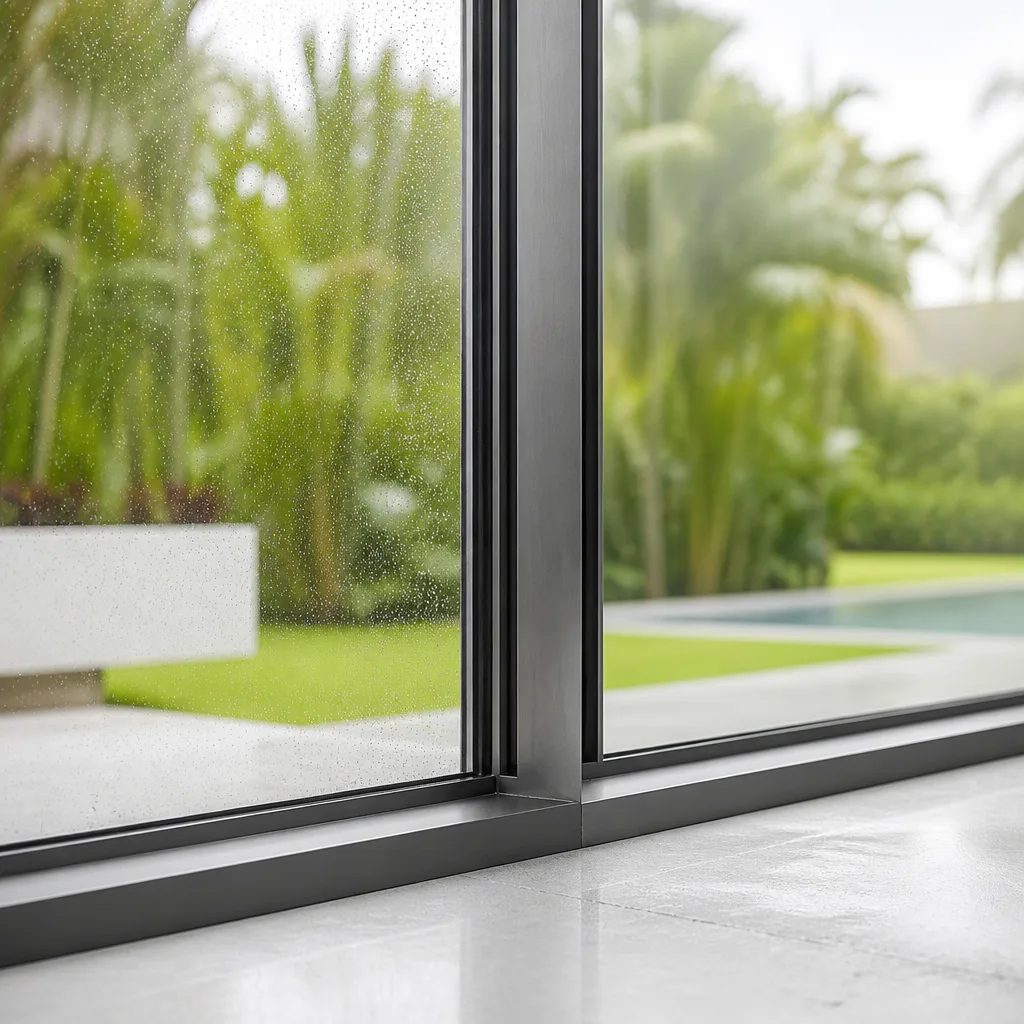
Before the 2002 Florida Building Code update mandated higher wind-load resistance, most residential windows in Broward County used aluminum frames with mechanically joined corners and minimal thermal break. These frames remain in thousands of Pembroke Pines homes, particularly in the original developments east of Flamingo Road built during the 1980s and 1990s.
The critical warning sign is oxide buildup at frame corners, visible as white or gray powdery deposits where the aluminum extrusions meet. This is not surface corrosion; it is galvanic or atmospheric oxidation at the mechanical joint, and it signals that the corner has become a moisture wick. Water enters at the joint, accelerates the oxidation, and progressively loosens the corner mechanical.
What we’ve found in Pembroke Pines homes: once oxide buildup is visible, the corner mechanical has typically lost 30-50% of its structural integrity. The frame can still operate, but its wind-load resistance is compromised. During a design wind event, the corner is the failure point where the frame separates.
Secondary signs in pre-2002 aluminum frames:
- Anodized finish chalking, where the surface develops a powdery white film that transfers to cloth when wiped. This indicates UV degradation of the anodized layer; the underlying aluminum is now unprotected.
- Frame deflection under manual pressure. A sound aluminum frame should not visibly flex when you press the center of the stile. Flex indicates wall thinning from interior corrosion or inadequate original extrusion thickness.
- Gasket extrusion or hardening. The vinyl or neoprene gaskets that seal the sash to the frame become brittle after 15-20 years of UV exposure. In Pembroke Pines, with 234+ days of direct sun annually, this accelerates.
Replacement of pre-2002 aluminum frames with modern impact-rated vinyl or aluminum systems is not merely an efficiency upgrade in Broward County; it is a code compliance and safety issue. Current code requires impact resistance or permanent shutter protection for all openings. The product lines we specify for these retrofits, including PGT WinGuard and CGI Estate Collection, are rated for the 170 mph wind speed required in Pembroke Pines under the High-Velocity Hurricane Zone provisions.
Cost context: full-frame replacement of a typical double-hung opening with an impact-rated unit, installed, runs $1,400-$2,400 in the Pembroke Pines market depending on size, glazing specification, and interior finish repair scope. This is not comparable to the $600-$800 non-impact replacement cost from 1998; the product and the installation standard are different systems entirely.
Impact Door Multipoint Lock Misalignment: The Hidden Safety Issue
Impact-rated entry doors in South Florida rely on multipoint locking systems, typically three to five locking points along the door edge that engage with the frame when the handle is lifted. These systems are necessary because a single deadbolt cannot secure a door against wind-borne debris impact; the load must distribute across the full door height.
The warning sign most homeowners miss: the handle lift becomes progressively stiffer, or the locking points no longer retract fully when the handle is lowered. This is often dismissed as “the door settling” or “humidity swelling the frame.” In fact, it is almost always lock mechanism misalignment caused by one of three factors specific to Florida conditions.
First, humidity cycling causes the door slab to expand and contract seasonally. A multipoint lock system with 0.005 inch of clearance in January may have zero clearance in August. The locking points drag against the keepers, wear the zinc-plated surfaces, and progressively misalign. We see this in Pembroke Pines homes within 3-5 miles of the wetlands corridor, where humidity variation is most extreme.
Second, frame racking from foundation movement, described in the previous section, transfers to the door frame. The keepers no longer align with the locking points, and the mechanism binds. This is structural, not hardware, and requires rough-opening remediation.
Third, and most common: improper initial installation where the keepers were not shimmed to account for seasonal movement. The installer set the keepers to summer dimensions; the door operated correctly for three months, then began binding in fall. This is a specification error, not a product defect.
The safety implication is specific and serious. A multipoint lock that does not fully engage leaves the door secured by the latch only. In a design wind event, the latch fails, the door opens, and the internal pressure build-up compromises the roof structure. This is the failure mode documented in post-hurricane engineering assessments.
How to check your impact door:
- Lift the handle fully and verify that all locking points extend. On a three-point system, you should see or feel engagement at top, middle, and bottom.
- Lower the handle and verify full retraction. The locking points should not protrude past the door edge.
- Close the door and lift the handle without turning the key or thumbturn. If the handle lift is stiff or the points do not fully seat, the alignment is off.
- Inspect the keepers for wear marks or zinc plating loss. Bright metal showing through indicates repeated contact misalignment.
Adjustment of a multipoint lock system runs $90-$180 if caught early. Replacement of a worn mechanism runs $280-$450. If the misalignment is caused by frame racking, the repair escalates to rough-opening remediation at $1,200-$2,800.
We specify Therma-Tru and Mr-Glass impact entry systems with adjustable keepers for this exact reason. The keeper slots allow 1/8 inch of vertical adjustment without removing the frame, which accommodates the humidity cycling we measure in Pembroke Pines installations.
Water Stains on Interior Sills: Three Entry Points, One Symptom
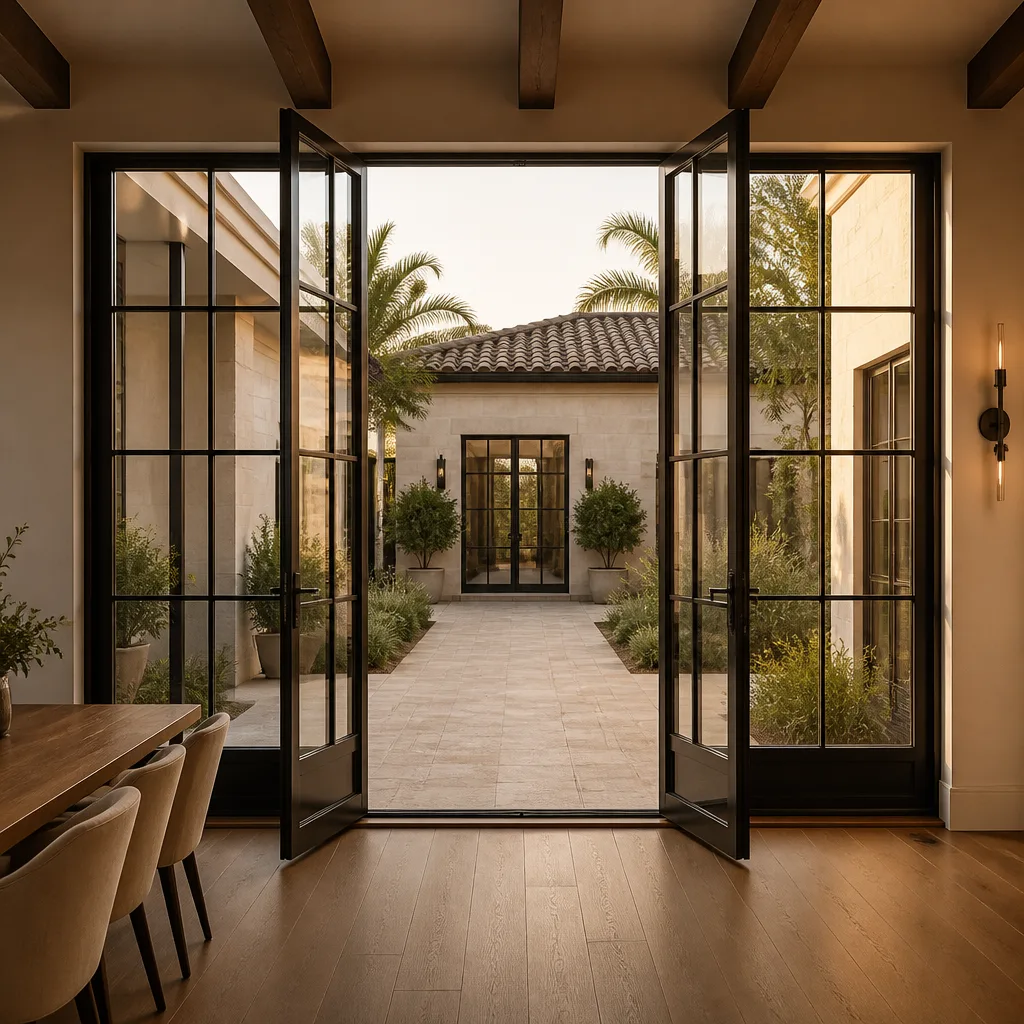
Water staining on interior window sills is the symptom that generates the most unnecessary full-frame replacements. Three distinct entry paths produce nearly identical stains, and only one requires window replacement. The other two are sealant and flashing failures that cost a fraction to repair.
Entry path one: glass seal failure with frame drainage blockage. When the insulated glass seal fails, moisture enters the airspace and eventually breaches the interior seal. The water runs down the interior glass surface and pools on the sill. However, this path is rare; most failed IGUs show fogging long before interior water appears. If you see water without fogging, suspect the other two paths first.
Entry path two: frame-to-rough-opening sealant failure with blocked weep system. Modern windows have weep holes at the sill to drain water that enters the frame track. If the exterior sealant fails, wind-driven rain enters the frame cavity. Normally this drains out. If the weep holes are blocked by paint, debris, or insect nests, water backs up and overflows to the interior sill. The window unit is sound; the sealant and weep maintenance are the failures. Repair cost: $150-$320.
Entry path three: head flashing failure above the window. Water enters at the top of the opening, runs down the interior of the wall, and exits at the window sill because the sill is the path of least resistance. The window is not leaking; the wall above it is. This is common in Pembroke Pines homes with stucco exteriors where the head flashing was omitted or improperly lapped during original construction. We’ve documented this in homes from the 1990s boom where rapid stucco application covered incomplete flashing details.
The diagnostic sequence matters. Before assuming the window has failed:
- Inspect the glass for fogging. Fogging plus water staining suggests path one, glass unit replacement.
- Check the weep holes. Clear them with a pipe cleaner or compressed air, then spray the exterior with a hose at low pressure, simulating wind-driven rain. If water appears on the sill with clear weep holes, the frame sealant has failed (path two).
- If no water appears during hose testing, spray the wall area above the window. Water on the sill indicates head flashing failure (path three), which requires stucco removal, flashing installation, and stucco repair at $800-$1,800 per opening.
The cost spread is significant: path one runs $280-$520, path two runs $150-$320, path three runs $800-$1,800, and unnecessary full-frame replacement runs $1,800-$3,200. The measured survey we perform for every window replacement in Pembroke Pines includes this diagnostic sequence; the written scope specifies which path we’ve identified and why.
Symptom-to-Cause Reference Table
| Visible Symptom | Underlying Cause | Required Repair Scope | Typical Cost Range (Pembroke Pines) |
|---|---|---|---|
| Fogging between glass panes | Insulated glass unit (IGU) seal failure | Glass unit replacement | $280-$520 |
| Interior condensation on glass surface | High indoor humidity or inadequate U-factor | HVAC assessment or window upgrade | $0 (HVAC tune) to $1,400-$2,400 (replacement) |
| Daylight at frame edges | Frame sealant degradation | Sealant removal and replacement | $180-$350 |
| Progressive window sticking, diagonal gaps | Rough-opening movement/frame racking | Unit removal, rough-opening remediation, reinstallation | $1,800-$4,000+ |
| White powder at aluminum frame corners | Atmospheric/galvanic oxidation of corner mechanical | Full frame replacement (structural integrity compromised) | $1,400-$2,400 (impact-rated replacement) |
| Stiff handle, incomplete multipoint lock engagement | Humidity cycling, frame racking, or improper keeper setting | Lock adjustment, mechanism replacement, or rough-opening remediation | $90-$2,800 depending on cause |
| Water staining on interior sill, no fogging | Weep blockage, frame sealant failure, or head flashing failure | Weep clearing, sealant replacement, or stucco/flashing repair | $150-$1,800 |
| Visible frame corrosion, anodized finish chalking | UV degradation and atmospheric exposure of pre-2002 aluminum | Full frame replacement with impact-rated system | $1,400-$2,400 |
When to Repair vs. Replace: Cost Ranges in the Pembroke Pines Market
The repair-or-replace decision follows from the symptom-to-cause mapping above, but homeowners need cost anchors to evaluate contractor proposals. If you’re choosing between bids, read How to Hire a Windows & Doors Contractor in Pembroke Pines: A Step-by-Step Guide first. The ranges below reflect 2024-2025 labor and material costs in the Broward County market, based on the measured surveys and written scopes we produce under Haven Clause 1.
Repair-range interventions ($90-$520):
- Multipoint lock adjustment or mechanism replacement: $90-$450
- Frame sealant removal and replacement: $180-$350
- Insulated glass unit replacement: $280-$520
- Weep system clearing and frame drainage restoration: $150-$280
Replacement-range interventions ($1,400-$4,000+):
- Full-frame replacement with standard impact-rated vinyl or aluminum unit, installed: $1,400-$2,400 per opening
- Full-frame replacement with structural rough-opening remediation: $1,800-$3,200
- Full-frame replacement with wall sheathing/framing repair from water intrusion: $3,200-$7,500
The threshold question is not “how old is the window” but “which system has failed.” A 1995 aluminum frame with oxide buildup at the corners requires replacement regardless of operation; the structural integrity is compromised. A 2015 vinyl frame with fogged glass needs glass replacement only; the frame and installation are sound.
For door installation in Pembroke Pines, the same logic applies. A sticking impact door with misaligned multipoint lock may need $120 of adjustment or $2,200 of replacement with rough-opening remediation. The diagnostic determines the scope; the scope determines the price. This is why Haven Clause 1 requires the measured survey and the written quote to be the same document; the price cannot be separated from the diagnosis.
Product specification affects replacement cost. Our eight manufacturer lines span performance tiers: ECO Window Systems and ViewLux for value-engineered impact compliance; CWS and ES Windows for mid-tier thermal and acoustic performance; PGT and CGI for premium impact and architectural applications; Therma-Tru for entry door systems; Mr-Glass for specialized glazing. We specify by what the opening requires, not by what is in stock.
Common Mistakes to Avoid
- Replacing glass when the frame is the failure point. We’ve reviewed competitor quotes in Pembroke Pines where a contractor proposed $480 IGU replacement for a frame with visible corner oxidation. The glass would be new; the frame would still fail in a design wind event. The measured survey must include frame integrity assessment, not just glass inspection.
- Applying sealant over failed sealant without removal. New sealant bonds to old sealant, not to the substrate. The repair fails within one wet season. Proper repair requires complete removal, substrate preparation, backer rod, and compatible sealant application.
- Ignoring multipoint lock stiffness as “normal settling.” Stiffness is the earliest warning of misalignment. Addressed promptly, it’s a $120 adjustment. Ignored for two years, it becomes mechanism replacement and possible frame damage at $800+.
- Assuming water stains mean window failure. In Pembroke Pines, head flashing failure produces this symptom in roughly 30% of the water intrusion calls we assess. Window replacement does not solve flashing failure; the water simply finds the next path down.
- Accepting verbal scope descriptions without written line items. Haven Clause 1 exists because verbal scopes permit substitution. The written document specifies product line, glazing specification, installation method, and finish repair scope. If it’s not written, it’s not quoted.
- Delaying assessment until after storm season. Foundation movement and frame racking progress regardless of season. A door that binds in March may not latch in August. The diagnostic cost is identical; the repair cost may not be.
- Choosing product by price rather than by opening requirement. A west-facing second-story opening in Pembroke Pines requires different SHGC and U-factor specifications than a north-facing ground-floor opening. Product selection follows orientation, exposure, and code requirement, not margin.
When to Call a Professional
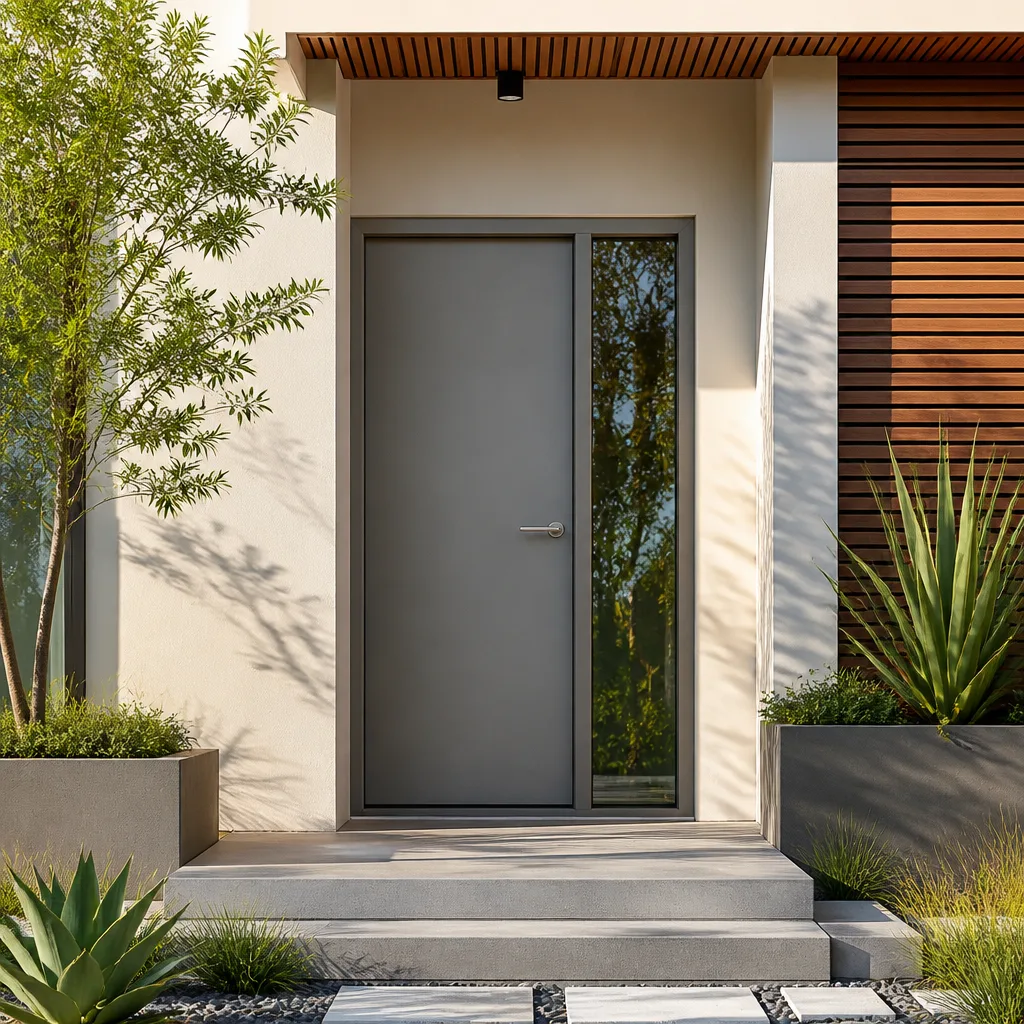
Call for assessment when: you observe progressive operation change over any 60-day period; water stains appear, recur, or expand; you can see daylight at frame edges; or your impact door handle does not lift and lower smoothly. These are not cosmetic issues; they indicate mechanical or structural failure in progress.
Sightline Windows & Doors Pembroke Pines offers free estimates in Pembroke Pines. Every assessment includes the measured survey you keep, the written scope with line-item pricing, and the documented photo record of conditions found. Call (754) 219-8346 to schedule. We also provide a free second opinion on any written estimate from another contractor; bring us their scope and we will review it against what our measured survey finds, at no charge. Browse our more guides & resources for additional homeowner guidance.
Frequently Asked Questions
Window repair in Pembroke Pines ranges from $90 for hardware adjustment to $520 for insulated glass unit replacement, depending on which system has failed. Frame sealant repair runs $180-$350; full-frame replacement with impact-rated product runs $1,400-$2,400. Call (754) 219-8346 for an exact quote; estimates are free and include the measured survey you keep.
No. Haven Clause 1 of the Haven Standard states that the measured survey and the written quote are the same document. If our survey missed something, we absorb the cost. The price you approve is the price on the final invoice. This has governed every one of our 18,000+ installations since 2012.
Yes. All window and door replacement in Pembroke Pines requires permit under the Florida Building Code, including impact-rated product verification and installation inspection. We pull permits, schedule inspections, and provide the passed inspection documentation as part of the standard scope. The permit cost is listed as a line item in the written quote; it is not added later.
Typical residential window replacement requires one day for 3-5 openings, assuming standard conditions and no structural remediation. Rough-opening movement or water damage repair adds 1-2 days. The written scope specifies the schedule before work begins, not after.
Fogging appears between the glass panes and indicates seal failure of the insulated glass unit; this requires glass replacement. Condensation on the interior room-facing surface indicates high humidity or inadequate thermal performance; this may require HVAC assessment or window upgrade, but not necessarily glass replacement. The diagnostic is visual and takes 30 seconds.
Pre-2002 aluminum windows that show oxide buildup at corners, frame deflection under pressure, or anodized finish chalking have compromised structural integrity and do not meet current impact requirements. They should be assessed for replacement with code-compliant impact-rated systems, not merely maintained. This is particularly important in Pembroke Pines, which lies within the High-Velocity Hurricane Zone requiring 170 mph wind resistance.
The Bottom Line
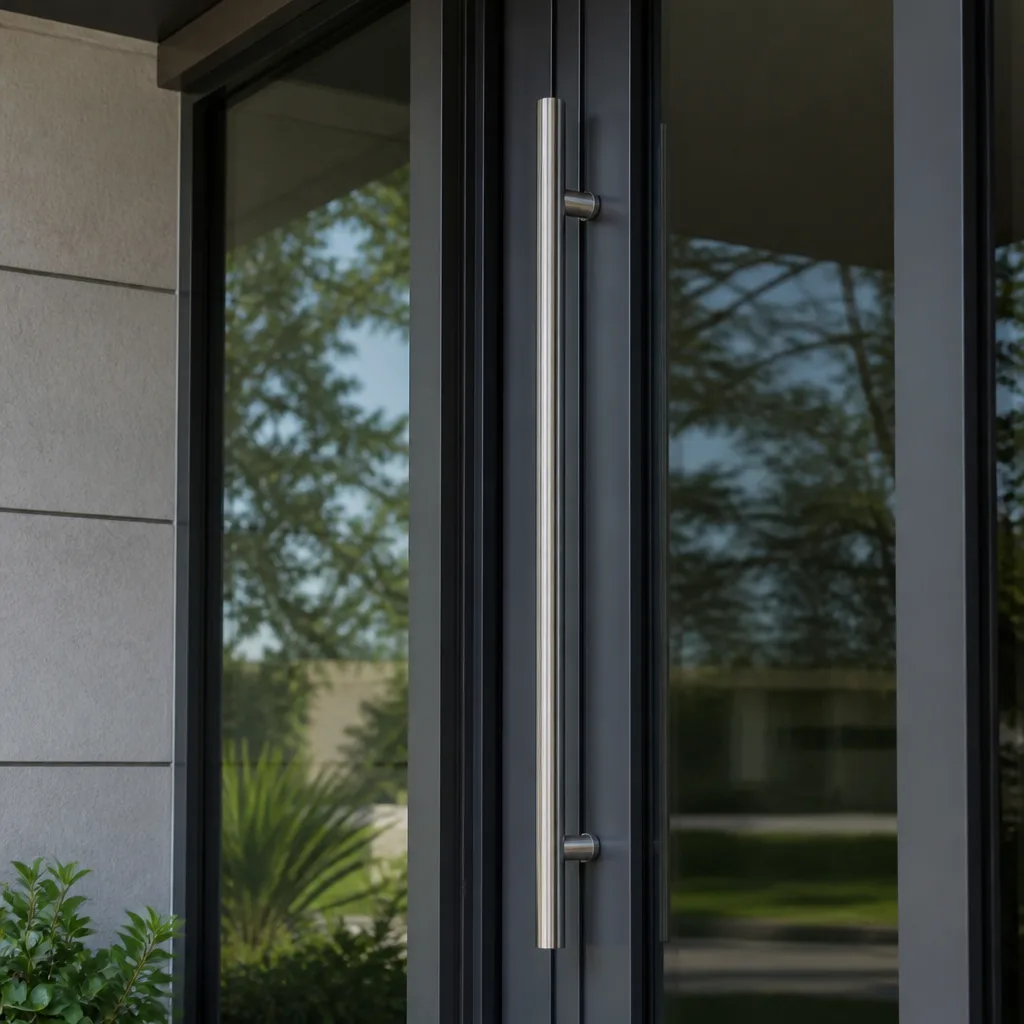
Window and door warning signs in Pembroke Pines require symptom-to-cause diagnosis before any repair or replacement decision. Fogging means glass seal failure. Daylight at frame edges means sealant degradation. Progressive sticking or diagonal gaps mean rough-opening movement. Water stains on sills may indicate weep blockage, frame seal failure, or head flashing failure, each with different repair scopes and costs. Pre-2002 aluminum frames with corner oxidation require replacement regardless of operation. The measured survey, written scope, and documented photo record are the tools that separate a $180 repair from an unnecessary $3,200 replacement.
Written by Sonia Raman, Owner at Sightline Windows & Doors Pembroke Pines, serving Pembroke Pines since 2012.
Six Reasons Homeowners Choose Sightline Windows & Doors Pembroke Pines
Impact systems engineered to design pressures up to +/-100, matched to your wind zone - your openings hold when the storm arrives.
Low-E insulated impact glass from our manufacturer lines commonly cuts monthly cooling bills 20-30%.
Laminated impact glass shuts out up to 40% of outside noise - traffic, neighbors, weather.
Monitoring services run $30-90 a month. Laminated impact glass resists forced entry around the clock, with no subscription.
Florida homeowners average around 25% savings on the windstorm portion of their policy after protecting every opening - some homes qualify for more.
A full impact package upgrades curb appeal, buyer confidence and appraised value in one project.
Other Sightline Windows & Doors Pembroke Pines Services